Managing rental properties can quickly transform from a lucrative investment strategy into a exhausting full-time job. Between chasing down late rent payments, scheduling emergency plumber visits, and screening piles of tenant applications, landlords often find themselves overwhelmed. If you want to scale your operations and acquire more units, you cannot rely on manual paper tracking. Investing in a high-quality property management software for landlords is the fastest way to scale your portfolio without sacrificing your sanity.
With hundreds of software options on the market, finding the platform that matches your specific portfolio dynamics is crucial. Selecting the best property management software for landlords depends on your portfolio size and features needed, such as built-in trust accounting or automated communication portals. By shifting your administrative workflow to a centralized digital solution, you eliminate human error and create a modern, professional experience for your tenants.
Many owners begin with manual spreadsheets before transitioning to professional property management software for landlords. As your business grows, however, spreadsheets fail to capture the complex financial data required to tax-optimize your real estate holdings. Let's analyze the core features you must look for when auditing potential landlord systems.
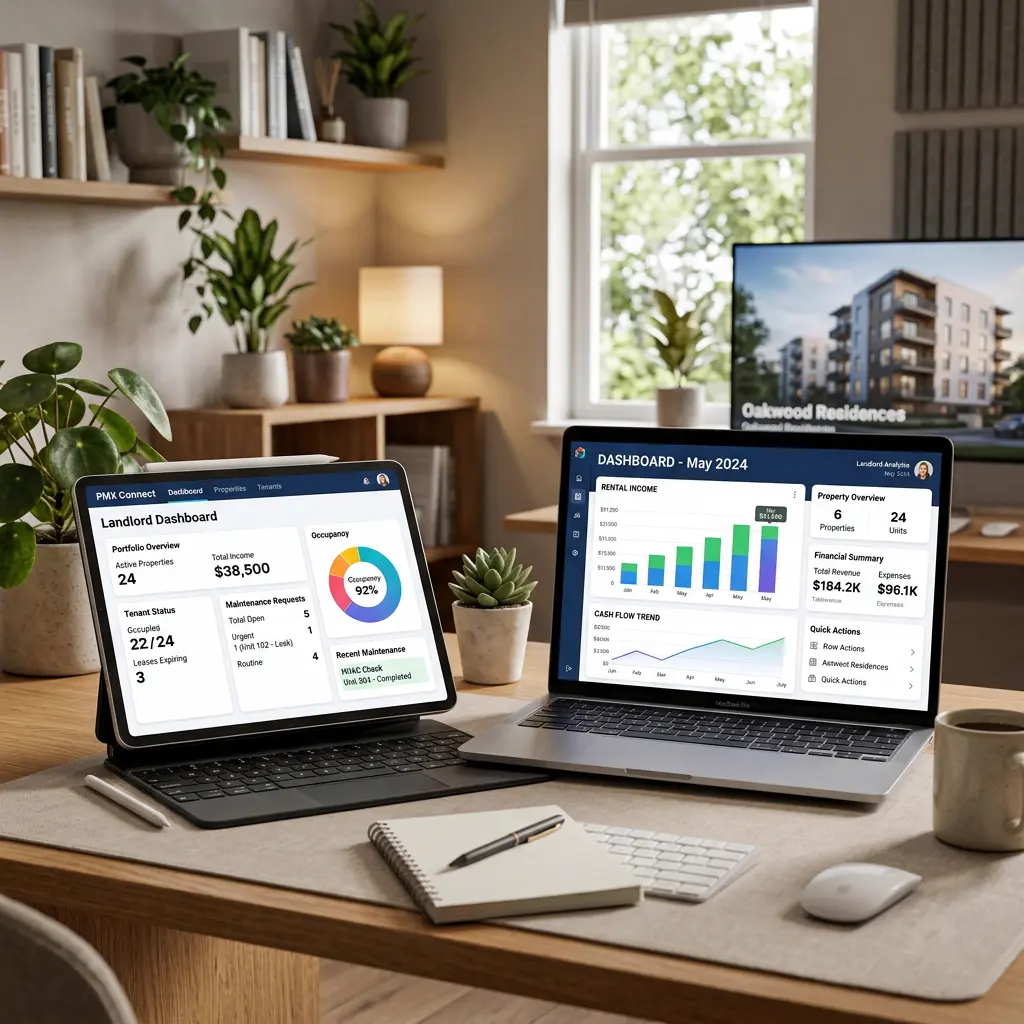
Automating Rent Collection and Invoicing
The main advantage of using property management software for landlords is automating monthly rent collection. Instead of receiving paper checks in the mail or coordinating random electronic transfers, the software provides a tenant portal where residents can set up automated ACH transfers or pay via credit card. This reduces late payments and eliminates the excuse of lost mail.
When comparing the top platforms, look for a property management software for landlords that integrates tenant screening directly into the leasing workflow. This allows you to pull background reports, credit scores, and eviction histories with a single click. When prospective tenants apply, their data automatically populates the software, enabling you to make fast, objective placement decisions based on credit limits and income criteria.
Furthermore, a cloud-based property management software for landlords allows you to manage maintenance requests on the go. Tenants can upload photos and videos of broken appliances directly through their mobile app. The software then generates a work order, alerts your preferred contractor, and updates the tenant on the status of the repair, keeping the entire maintenance lifecycle documented and organized.
Financial Reporting and Bookkeeping Integration
You should evaluate whether the chosen property management software for landlords offers financial reporting that complies with real estate accounting regulations. You need a system that can generate detailed Profit and Loss statements, Schedule E templates for tax season, and balance sheets for your lenders. Having clean, standardized financials is essential when you apply for commercial financing to buy more deals.
Security is a top priority when selecting property management software for landlords. The system must use bank-grade encryption to protect sensitive tenant information, such as social security numbers and banking routing numbers. For a comprehensive comparison of popular options and their features, the community at BiggerPockets offers extensive user reviews and forum discussions. Additionally, Investopedia's ranking of property management systems provides an objective overview of pricing structures and customer support rankings.
Many options for property management software for landlords charge fee-per-unit structures. This model is highly scalable, allowing you to pay a low monthly fee when you only have a few doors, and automatically adjust your subscription cost as you add buildings to your portfolio. Look out for hidden fees, such as set-up charges, bank transaction fees, or fees for generating tenant screening documents.
Enhancing Communication and Retaining Tenants
A premium property management software for landlords will automate notifications for late fees. If a tenant's rent is not received by the grace period deadline, the software automatically generates and emails a late notice, calculating the fee according to the terms of the lease agreement. This removes the emotional stress of enforcement and establishes a professional boundary between landlord and tenant.
Before purchasing any subscription, check if the property management software for landlords supports online lease signing. This feature allows you to upload custom lease agreements, insert signature fields, and email them to approved applicants for e-signatures. This completely eliminates the need for face-to-face meetings, letting you lease vacant apartments to out-of-state tenants completely remotely.
For landlords managing commercial spaces, customized property management software for landlords might be necessary. Commercial leases involve unique variables, such as Triple Net (NNN) calculations, common area maintenance (CAM) reconciliations, and complex inflation adjustment clauses. Standard residential systems are simply not built to handle these commercial parameters, so verify the platform's commercial capabilities beforehand.
Selecting the Right Software for Your Business Model
Local landlord associations often recommend specific property management software for landlords during their meetings. Networking with other local property managers can give you realistic feedback on software uptime, customer service quality, and ease of use. It is wise to take advantage of free trials to test the user interface from both the landlord and tenant perspectives before migrating your entire business.
By implementing a robust property management software for landlords, you reduce tenant turnover rates. Tenants appreciate the convenience of paying rent online, submitting maintenance tickets quickly, and having access to all lease documents inside a secure portal. Happy tenants stay longer, which drastically improves your net operating income (NOI) and increases the overall valuation of your properties.
Frequently Asked Questions
Q: Do I need separate accounting software if I use property management software?
A: Most modern property management platforms include built-in general ledgers and bookkeeping tools designed specifically for real estate. However, if you manage a large corporate entity, you may want to choose a platform that syncs directly with enterprise accounting software like QuickBooks.
Q: Can my tenants pay rent using cash if I use this software?
A: Yes. Many property management platforms partner with retail payment networks (like PayNearMe or local convenience stores). This allows cash-paying tenants to bring a barcode generated by the software to a participating store, pay in cash, and have the rent instantly credit to their tenant ledger.
Q: How long does it take to migrate my tenants to a new software platform?
A: For portfolios under twenty units, migration can be completed in a weekend. You will need to enter property details, upload active lease documents, and invite tenants via email. For larger portfolios, many software companies offer dedicated migration specialists to help upload your database.
Q: Is tenant screening information shared securely?
A: Yes. Standard platforms use secure, third-party credit bureaus (like TransUnion ShareAble) to process screening reports. The tenant enters their sensitive personal details directly into the secure screening system, protecting you from liability associated with handling private social security numbers.
Q: Can I manage multiple bank accounts within the software?
A: Yes. High-quality systems allow you to link separate bank accounts to different properties or LLCs. This ensures you never co-mingle funds across different investment groups and keeps your security deposit escrow accounts separate from your operating accounts.
Conclusion
In conclusion, finding the perfect property management software for landlords simplifies your day-to-day operations and paves the way for scalable growth. By automating time-consuming tasks like rent collection, tenant screening, and maintenance communication, you free up valuable time to focus on sourcing new deals. Make sure to choose a platform that offers robust accounting features, fits your budget structure, and provides a seamless user experience. To protect your business margins, invest in property management software for landlords that streamlines your accounting and elevates your tenant relations today.