Saving up for a down payment is widely considered the hardest hurdle to homeownership. But many first-time home buyers are shocked to discover that having a down payment is only part of the equation. On closing day, you must also pay a variety of fees to process the loan, secure the title, and establish pre-paid escrow accounts. Before shopping for homes, using an online closing cost calculator can prevent unexpected financial surprises and ensure you have sufficient liquidity to close the transaction.
Closing costs represent the fees charged by lenders, title companies, government agencies, and third-party service providers to finalize a mortgage transaction. They typically range between 2% and 5% of the total purchase price of the property. A reliable closing cost calculator helps estimate the total cash required to finalize your property purchase, preventing the stress of having a bank request extra cash at the last minute.
Many first-time buyers mistake down payments for the entire purchase cost before utilizing a closing cost calculator. Draining all of your savings to cover the down payment without accounting for these transaction fees can leave you unable to close the loan or financially vulnerable. Let's explore the specific fees that make up these transaction costs.
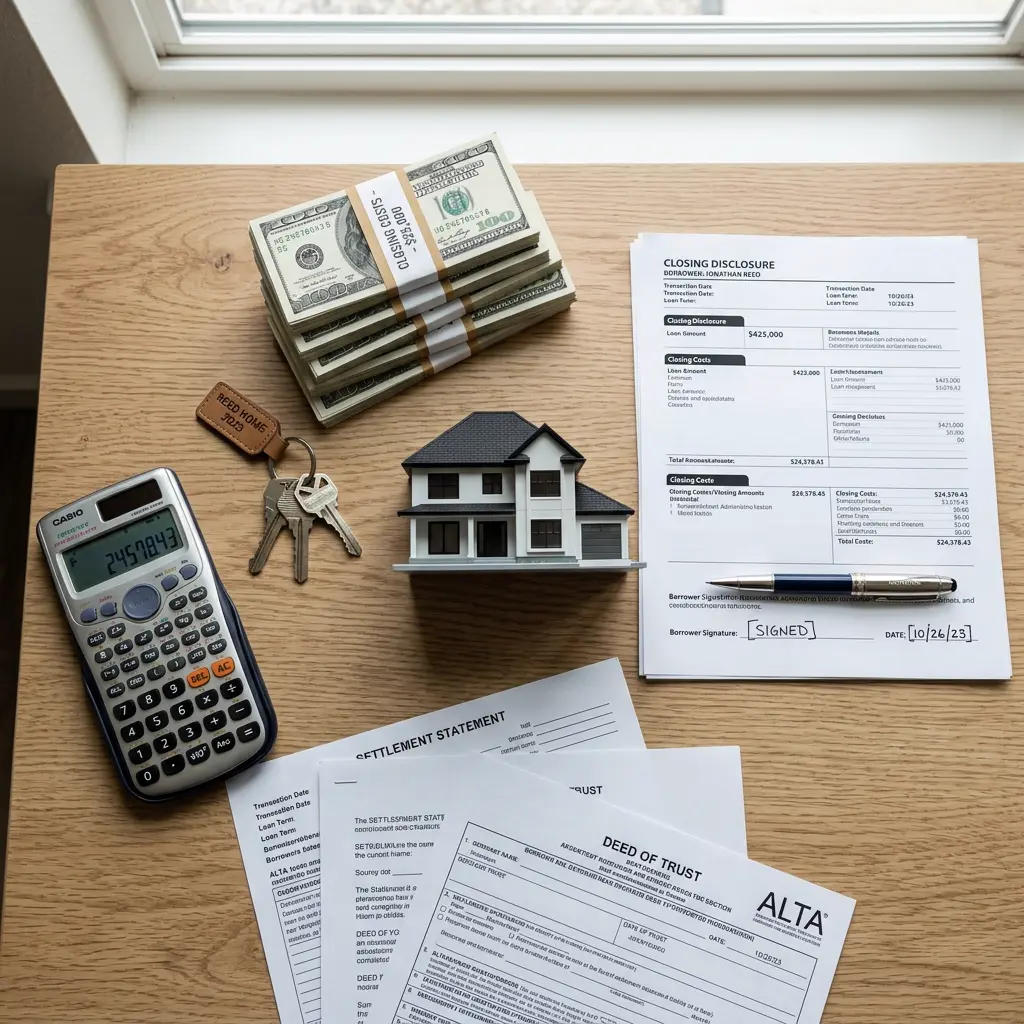
Breaking Down Lender Fees and Pre-Paid Items
The primary utility of a closing cost calculator is breaking down lender fees and transfer taxes into readable components. Lender fees include origination charges, underwriting fees, credit report checks, and processing fees. Lenders may also offer the option to purchase discount points—pre-paid interest that lowers your mortgage's interest rate over the life of the loan.
When analyzing different loans, inputting the loan terms into a closing cost calculator allows for side-by-side comparisons. This is especially helpful when comparing a loan with low interest rates but high upfront points against a loan with higher rates but zero origination fees. Calculating the break-even timeline helps you determine which option makes financial sense based on how long you plan to hold the property.
A comprehensive closing cost calculator will include local property tax rates and title insurance estimates. When you buy a home, you must pre-pay a portion of your homeowners insurance and property taxes. The lender places these funds into an escrow account and uses them to pay your tax and insurance bills on your behalf as they become due throughout the year.
Title Insurance and Government Transfer Taxes
You should verify that your chosen closing cost calculator accounts for regional transfer tax variations and title search fees. Title fees cover the cost of conducting a title search—which audits public records to ensure there are no active liens or ownership disputes on the property—and the cost of title insurance policies that protect both you and the lender from future ownership challenges.
Estimating loan fees accurately is difficult, which is why a closing cost calculator is so valuable during the early stages of budgeting. For more detailed guides on managing mortgage fees, BiggerPockets' home buying portal offers extensive discussions on negotiating lender fees and closing points. Additionally, Investopedia's breakdown of closing costs provides a comprehensive glossary of every administrative fee you will encounter.
Some banks provide a proprietary closing cost calculator on their official lending websites. These tools are pre-loaded with the bank's specific underwriting and document preparation fees, making their estimates highly accurate. However, you should run the numbers through an independent calculator to ensure you are receiving competitive third-party rates for services like home inspections and appraisals.
Negotiating Seller Concessions and Lender Credits
A major benefit of a closing cost calculator is that it helps you negotiate seller concessions during the purchase agreement phase. In many markets, buyers can ask the seller to cover a portion of their transaction costs—often up to 3% of the purchase price on conventional loans. By asking for seller credits, you reduce the out-of-pocket cash required to close the deal.
Before signing a loan estimate, check its accuracy by running the numbers through a closing cost calculator. Three days before your official closing, your lender is legally required to send you a document called the Closing Disclosure (CD). You must compare the final fees listed on the CD against the initial Loan Estimate (LE) to ensure they have not increased beyond legal tolerance limits.
For buyers purchasing multi-family buildings, a specialized closing cost calculator is required to handle unique variables like commercial title rates, landlord liability insurance policies, and pro-rated rent roll adjustments. Because you are taking over active tenant leases, the seller must credit you for active security deposits and pro-rated tenant rent payments at the closing table, which offsets your cash requirements.
Minimizing Transaction Costs Legally
Real estate agents frequently advise clients to consult a closing cost calculator early in the search process. This ensures that you adjust your price range downward if your savings are tight. Some lenders also offer "no-closing-cost" loans, where they cover all upfront fees in exchange for a higher interest rate, which can be an excellent choice if you plan to refinance or sell the home in a few years.
By referencing a detailed closing cost calculator, you avoid draining your emergency reserves at the closing table. It is crucial to preserve a cash cushion after buying a home to cover unexpected repair bills, moving costs, or immediate improvements. Never allow a home purchase to leave you cash-poor, as the first few months of homeownership often bring unexpected maintenance expenditures.
Frequently Asked Questions
Q: What is the difference between a Loan Estimate and a Closing Disclosure?
A: A Loan Estimate is provided within three business days of applying for a loan and provides an estimate of fees. The Closing Disclosure is issued three business days before closing and details the exact final fees you must pay. Lenders are legally restricted from significantly raising fees from the LE to the CD.
Q: Can I choose my own title company to save on closing costs?
A: Yes. In most states, buyers have the legal right to select their own title insurance company and closing attorney. Shopping around and comparing rates from multiple title companies can save you hundreds of dollars compared to using the lender's default recommendation.
Q: Are closing costs tax-deductible for home buyers?
A: Most closing costs are not immediately tax-deductible; instead, they are added to your property's cost basis, which reduces your capital gains tax when you sell the property later. However, points paid to lower your interest rate are usually tax-deductible in the year you buy the home.
Q: What does "cash to close" mean?
A: Cash to close is the final, total amount of money you must bring to the closing table to complete the purchase. This includes your down payment and total closing costs, minus any earnest money deposit you already paid, lender credits, or negotiated seller concessions.
Q: How do I pay my closing costs on closing day?
A: You must pay your cash to close using either a bank wire transfer or a certified cashier's check drawn from your verified bank account. Personal checks, credit cards, and cash are not accepted by closing agents due to fraud prevention and clearing house regulations.
Conclusion
In conclusion, integrating a closing cost calculator into your homebuying budget prevents cash shortages and prepares you for closing day. By understanding the breakdown of lender fees, title insurance, and pre-paid escrow accounts, you can compare loan offers effectively and negotiate seller concessions with confidence. Take the time to audit your Closing Disclosure against your Loan Estimate, shop around for third-party services, and preserve a healthy post-closing cash reserve. To protect your personal cash flow, utilize a closing cost calculator to estimate every fee and tax before making an offer and secure your home purchase safely.